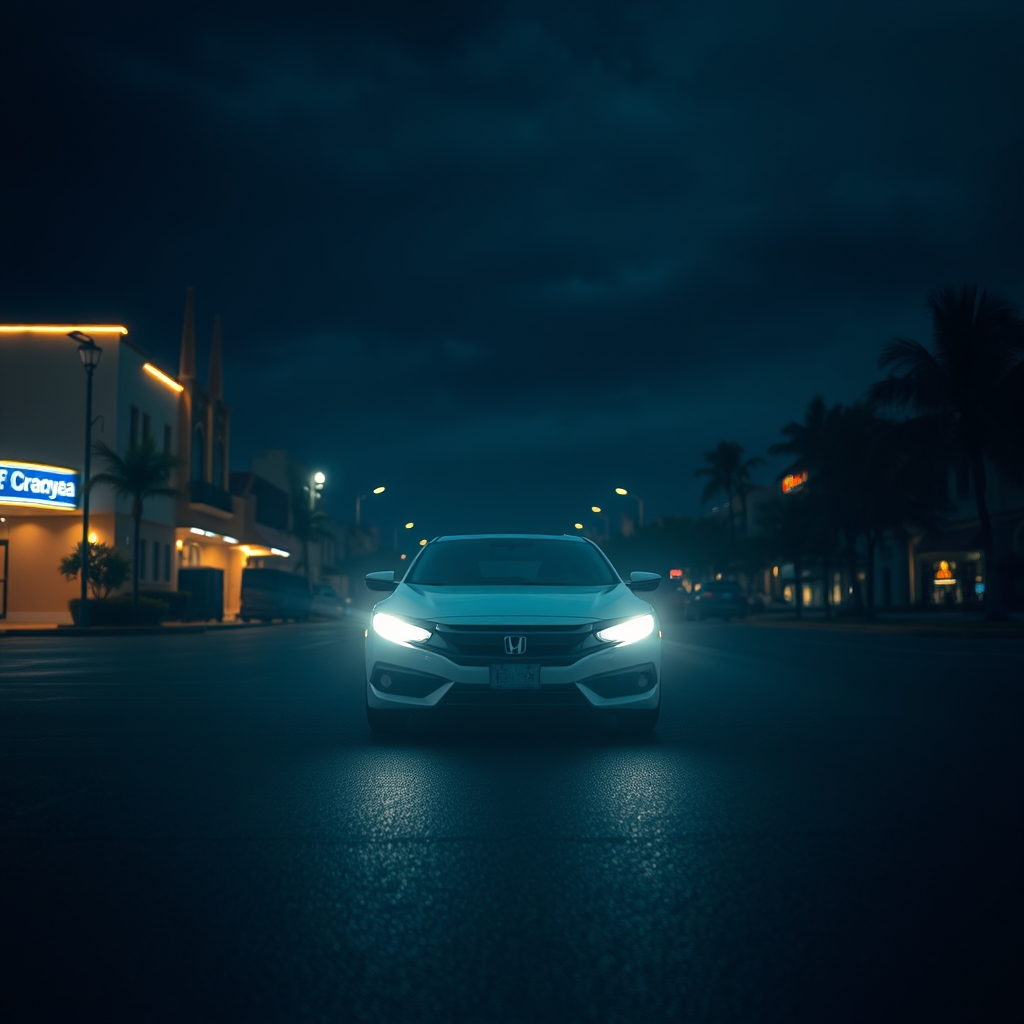
The Ultimate Guide to Car Rental Curacao: Explore the Island with Freedom
Learn more about car rental curacao and how it applies to your specific needs.
Planning a trip to the stunning island of Curacao? Whether you are drawn by its vibrant capital Willemstad, pristine beaches like Kenepa and Cas Abao, or the rugged national park of Shete Boka, one thing quickly becomes clear: to truly experience the island, you need your own set of wheels. Public transport is limited, and taxis can be expensive for day-long explorations. That is where a reliable service comes into play. Renting a vehicle gives you the flexibility to discover hidden coves, stop for spontaneous photo opportunities, and dine at local spots far from the tourist crowds. This comprehensive guide will walk you through everything you need to know about renting a car in Curacao, from choosing the right vehicle to navigating the roads like a local.
Learn more about car rental curacao airport and how it applies to your specific needs.
Curacao is a relatively small island, but its diverse landscape means distances can feel longer than expected. With a rental car, you can drive from the urban energy of Punda to the serene shores of Westpunt in under an hour. The freedom to set your own itinerary is invaluable. Many visitors opt for a pickup, allowing them to start their adventure the moment they land. Imagine stepping off the plane, breezing through immigration, and walking straight to your reserved vehicle. No waiting for shuttles, no negotiating taxi fares—just you, the open road, and the Caribbean breeze. This convenience is why booking with a reputable provider is a top priority for savvy travelers.
Why Renting a Car in Curacao is Essential
While Curacao may seem compact, relying on public buses or taxis will severely limit your experience. The island’s bus system, while functional, is infrequent and primarily serves the main routes between Willemstad and outlying towns. Taxis are readily available but operate on fixed rates, which can quickly add up if you plan to visit multiple attractions in a single day. For example, a round trip from Willemstad to the popular Playa Lagun can cost upwards of $60. If you plan to explore for a week, the cost of taxis alone could exceed the price of a weekly rental. Moreover, having a car allows you to visit less accessible spots like the Christoffel National Park, where you can hike the highest peak on the island, or the remote beaches of Banda Abou. For those who want to venture off the beaten path, a robust vehicle like a is ideal for tackling unpaved roads and rocky terrain.
Another key advantage is the ability to carry snorkeling gear, coolers, and beach essentials without worrying about luggage limits. You can stop at a local supermarket to stock up on snacks and drinks, saving money compared to buying at tourist-centric spots. The island is also famous for its colorful street art and historic landmarks like the Handelskade waterfront. With a rental car, you can easily park and explore these sites at your own pace. The phrase translates to “car rental curacao” in Dutch, and local providers understand the needs of international visitors. They offer vehicles that are well-maintained and suited for the local climate, including air conditioning and sturdy tires for the sometimes rough secondary roads.
Choosing the Right Vehicle for Your Curacao Adventure
Selecting the perfect car depends on your travel style and itinerary. For couples or solo travelers sticking to paved roads, a compact car like a Toyota Yaris or Hyundai i10 is economical and easy to park in tight city spaces. These cars are also fuel-efficient, which is important given that gas prices on the island are higher than in the mainland US. For families or groups, a mid-size sedan or a small SUV offers more comfort and trunk space for luggage. However, if you plan to explore the rugged northern coast or the interior of the island, consider upgrading to a 4×4. The road to Shete Boka National Park, for example, is partially unpaved and can be tricky after rain. A provides the ground clearance and traction needed to navigate these areas safely. Many rental agencies offer Jeep Wranglers or Suzuki Jimnys that are perfect for off-road adventures.
Another factor to consider is the duration of your rental. Most companies offer discounts for weekly rentals, and booking in advance often secures a better rate. When comparing options, look for unlimited mileage packages, as you will likely drive more than expected. The island’s main roads are in good condition, but secondary roads can be narrow with potholes. A vehicle with good suspension will make your ride more comfortable. For those arriving by flight, booking a service is the most convenient option. You can pick up the car right at the arrivals hall, avoiding the hassle of shuttle buses. Some agencies even offer after-hours drop-off for late-night flights. Always check the rental terms regarding insurance, as many credit cards offer coverage, but local laws may require additional liability insurance.
Navigating Curacao’s Roads: Tips and Tricks
Driving in Curacao is generally straightforward, but there are a few local nuances to keep in mind. Traffic drives on the right-hand side, and speed limits are posted in kilometers per hour. In urban areas, the limit is usually 40 km/h, while on main roads it can go up to 60 km/h. Be aware that speed bumps, locally called “drempels,” are common in residential areas and near schools. They are often unmarked, so reduce your speed when entering towns. The main highway, the Weg naar Westpunt, runs along the coast and offers stunning ocean views, but it can be narrow in sections. Use caution when overtaking, as some drivers may not expect fast-moving vehicles. If you are not used to driving on the right, take your time and use GPS navigation. Many rental cars come with a local SIM card or a pre-loaded GPS, but you can also use your phone with offline maps.
Learn more about jeep rental curacao and how it applies to your specific needs.
Parking in Willemstad can be challenging, especially in the Punda and Otrobanda districts. There are paid parking lots and street parking with meters that accept coins or a prepaid card. Some hotels offer free parking, but others charge a daily fee. For beach visits, parking is usually available for a small fee, often around $2-5. Always lock your car and avoid leaving valuables in plain sight. Curacao is generally safe, but petty theft can occur in tourist areas. When driving at night, be cautious of stray animals, especially goats and donkeys that may wander onto the road. The island’s lighting is limited outside of the main towns. If you plan to visit the northern beaches, it is advisable to return before sunset to avoid driving on unlit roads. For those who prefer a more rugged experience, a offers better visibility and safety on these roads.
Top Destinations to Explore with Your Rental Car
Learn more about auto huren curacao and how it applies to your specific needs.
With your rental car, the entire island becomes your playground. Start your journey in Willemstad, a UNESCO World Heritage site. Park near the Queen Emma Bridge and wander through the colorful streets of Punda, where you can shop for local art and souvenirs. Then, drive to the eastern side of the island to visit the Jan Thiel area, known for its upscale resorts and vibrant beach clubs like Papagayo. For a more secluded experience, head west to Playa Kenepa, one of the most photographed beaches in the Caribbean. The turquoise waters and white sand are perfect for swimming and snorkeling. Further west, you will find Shete Boka National Park, where the waves crash against limestone cliffs, creating dramatic blowholes. A 4×4 vehicle is recommended here, as the unpaved road can be rough. Another must-visit is the Christoffel National Park, where you can hike to the top of Mount Christoffel for panoramic views of the island. The park requires a vehicle, and a is ideal for navigating the park’s trails.
Don’t miss the smaller towns like Barber, which offers a glimpse into local life, or the historic plantation houses known as landhuizen. Many of these have been converted into museums or restaurants. For a unique experience, drive to the Klein Curacao departure point, where you can take a ferry to the uninhabited island. With your car, you can easily reach the departure port in Spanish Water. The flexibility of having a rental car also allows you to dine at local eateries that are not on the main tourist trail. Try the “krioyo” cuisine at a roadside stand or enjoy fresh seafood at a beachfront restaurant. Remember to book your service in advance to ensure availability, especially during peak season. The peace of mind that comes with a pre-booked vehicle is worth every penny.
Insurance and Legal Requirements for Renting a Car in Curacao
Before you get behind the wheel, it is crucial to understand the insurance and legal requirements. Most rental companies offer a basic insurance package that includes third-party liability and collision damage waiver (CDW). However, the CDW often comes with a deductible, which can range from $500 to $1500. To reduce your financial risk, consider purchasing a super collision damage waiver (SCDW) that lowers the deductible to zero. Alternatively, check if your credit card offers rental car insurance that covers the deductible. Be aware that some credit card policies exclude coverage for certain vehicles, such as luxury cars or off-road vehicles. Always read the fine print. In Curacao, you are required to carry a valid driver’s license from your home country. An International Driving Permit (IDP) is not mandatory but is recommended, especially if your license is not in English or Dutch. The legal driving age is 18, but most rental companies require drivers to be at least 21 or 23, with an additional surcharge for drivers under 25.
When you pick up your car, inspect it thoroughly for any pre-existing damage and take photos or videos as evidence. Note any scratches, dents, or issues with the tires and windshield. The rental agent will usually walk you through the condition report. Make sure you understand the fuel policy: most companies require you to return the car with a full tank, or they will charge a premium for refueling. Some providers offer a pre-purchase fuel option, which can be convenient but often costs more. Also, ask about roadside assistance. In the event of a breakdown, you want to know who to call. Many companies offer 24/7 support. For peace of mind, choose a provider with a good reputation for customer service. When searching online, look for terms like to find local agencies that understand the island’s specific conditions. They can also provide tips on the best routes and hidden gems.
Cost-Saving Tips for Your Car Rental in Curacao
Renting a car in Curacao does not have to break the bank. The key is to book early, compare prices, and understand the total cost. Many travelers make the mistake of only looking at the daily rate, forgetting to factor in taxes, fees, and insurance. Always ask for a full quote before booking. Off-peak seasons, such as late spring or early fall, often have lower rates. Additionally, renting for a full week can reduce the daily cost significantly. Consider choosing a smaller car if you do not need the extra space, as they are cheaper to rent and more fuel-efficient. Another tip is to avoid renting from agencies located at the airport, as they often have higher fees due to concession charges. However, the convenience of a may outweigh the extra cost for many travelers. If you are on a tight budget, you can take a taxi to a nearby off-site rental office, but this adds time and transportation costs.
Learn more about auto huren curacao airport and how it applies to your specific needs.
Be mindful of additional fees like additional driver charges, GPS rental, and child seat rentals. You can save money by using your phone for navigation and bringing your own child seat. If you plan to visit multiple beaches, consider packing light to avoid the need for a larger vehicle. Fuel costs are also a consideration. Gas stations are plentiful, but prices are higher than in the US. To save on gas, combine your trips and avoid unnecessary driving. The island is small, so planning your route efficiently can reduce mileage. Many rental companies offer unlimited mileage, which is beneficial if you plan to explore extensively. When you return the car, ensure it is clean, as some companies charge a cleaning fee for excessively dirty vehicles. Finally, read reviews from other travelers to find a reliable agency. A well-reviewed provider like Tropic Drive offers transparent pricing and quality vehicles. They specialize in services, making your arrival seamless.
FAQs
Do I need an International Driving Permit to rent a car in Curacao?
While an International Driving Permit (IDP) is not legally required, it is highly recommended if your driver’s license is not in English or Dutch. Most rental companies accept a valid license from your home country, but an IDP can help avoid any confusion with local authorities. Always check with your rental provider in advance.
What is the minimum age to rent a car in Curacao?
The minimum age to rent a car in Curacao is typically 21 years old, but some companies may require drivers to be at least 23. Drivers under 25 often face a young driver surcharge. It is best to verify the age policy with your chosen rental agency before booking.
Is it safe to drive in Curacao at night?
Driving at night in Curacao is generally safe, but extra caution is needed. Many roads outside the main towns are poorly lit, and animals like goats and donkeys may wander onto the road. Stick to main roads and reduce your speed. It is advisable to avoid driving to remote beaches after dark.
Can I rent a car at Curacao Airport and drop it off at another location?
Yes, many rental companies offer one-way rentals, allowing you to pick up at the airport and drop off at a different location, such as a hotel or downtown office. However, there may be an additional fee for this service. Always confirm the drop-off policy when booking your reservation.
What type of insurance do I need for a rental car in Curacao?
Basic insurance usually includes third-party liability and collision damage waiver with a deductible. It is wise to purchase a super collision damage waiver to reduce the deductible to zero. Check if your credit card offers rental car insurance, but confirm that it covers vehicles in Curacao and any exclusions for off-road use.